ಈಕ್ವೆಡಾರ್ನ ಕಾರ್ಚಿ: ಬರ, ಹಿಮ ಮತ್ತು ಕೀಟಗಳು ಆಲೂಗಡ್ಡೆ ನೆಡುವಿಕೆಯನ್ನು 20–30% ರಷ್ಟು ಕಡಿತಗೊಳಿಸಿವೆ.
ಈಕ್ವೆಡಾರ್ನ ಪ್ರಮುಖ ಆಲೂಗಡ್ಡೆ ಪ್ರಾಂತ್ಯವಾದ ಕಾರ್ಚಿಯಲ್ಲಿ, ಬರ, ಹಿಮ ಮತ್ತು ಹೆಚ್ಚುತ್ತಿರುವ ಕೀಟಗಳ ಒತ್ತಡದ ಹಿನ್ನೆಲೆಯಲ್ಲಿ ಬಿತ್ತನೆ ಪ್ರದೇಶವು 20-30% ರಷ್ಟು ಕುಸಿದಿದೆ, ಆದರೆ ಸೂಪರ್ ಚೋಳ ಜಮೀನಿನಲ್ಲಿ ಪ್ರತಿ ಕ್ವಿಂಟಲ್ಗೆ US$24-28 ಸಿಗುತ್ತದೆ.
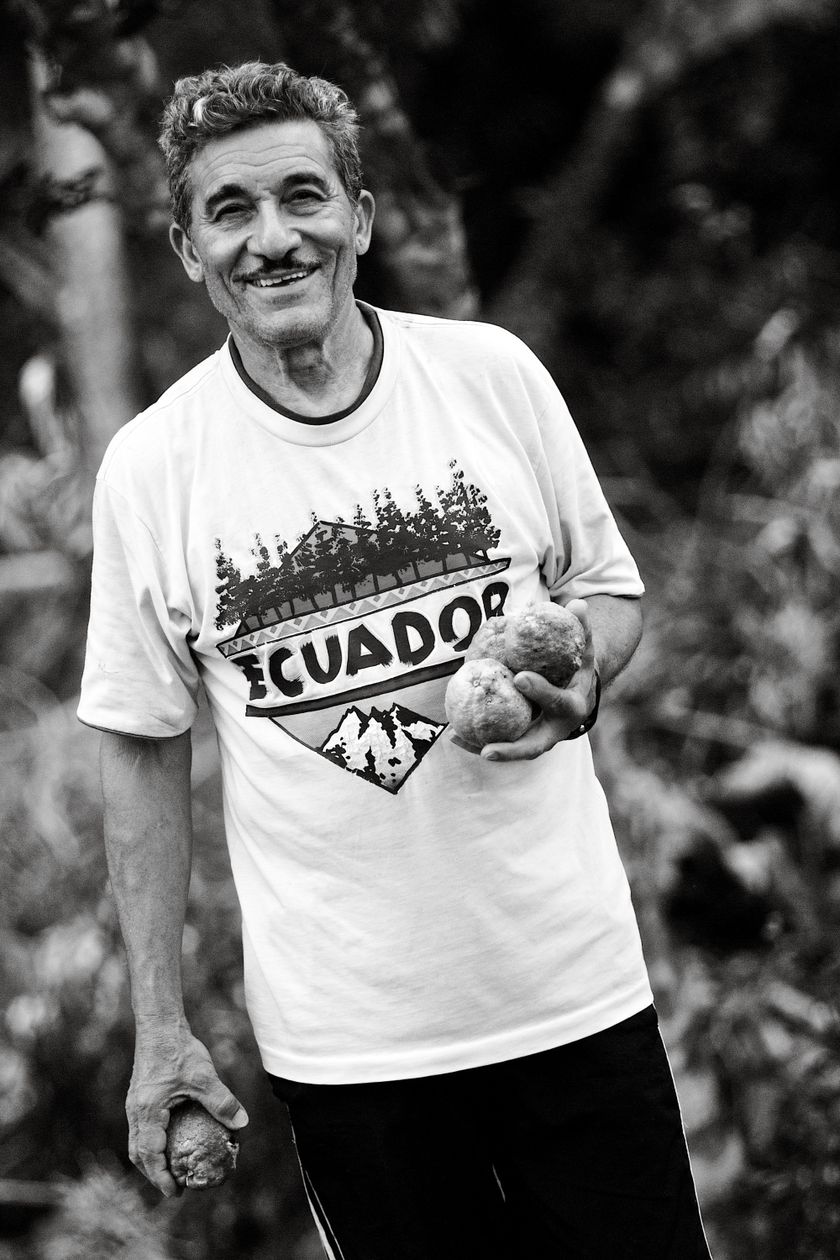
Potato production in Carchi, Ecuador’s main producing province, is under combined pressure from prolonged drought, frosts and rising pest pressure. Planted area in 2026 is estimated down 20–30%, while the popular Súper Chola variety fetches US$24–28 per quintal on farm.
Potato production is going through a complex situation in Carchi, Ecuador’s main producing province, due to the combination of a prolonged drought, frosts and growing pest pressure. During 2026, the area planted with potatoes is estimated to have decreased by between 20% and 30%, while scarce rainfall alters crop development, delays sowing and reduces yields.
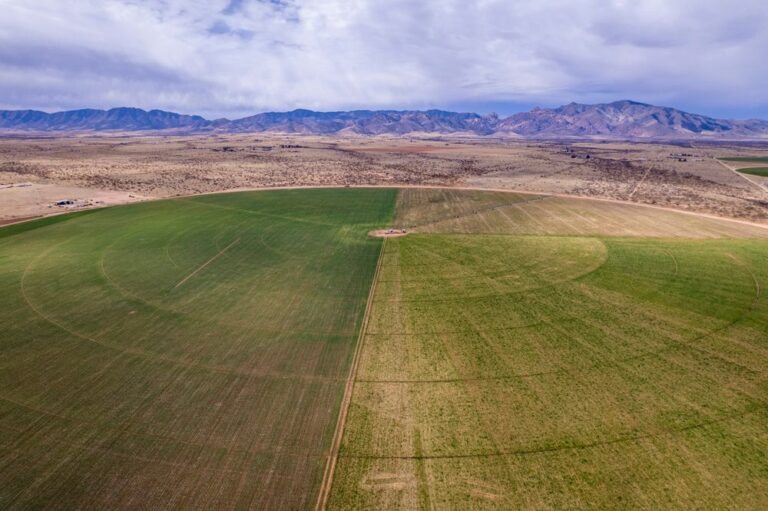
Lack of water forces new investments. Producers have begun installing hoses, pipes and other systems to keep lots irrigated — investments that were not planned but have become necessary to avoid larger losses. Declining water flows create difficulties especially in Tulcán, San Pedro de Huaca, Montúfar and part of Espejo. Water boards are reorganizing and sectorizing distribution to make better use of the available resource. The prolonged dry season affects roughly 40% of Carchi’s agricultural landscape — some 70,000 hectares devoted to various crops and livestock activities.
ವಾರದ ದಿನಗಳು. ಒಂದೇ ಕ್ಲಿಕ್ನಲ್ಲಿ ಅನ್ಸಬ್ಸ್ಕ್ರೈಬ್ ಮಾಡಿ.
Rising pest pressure. The lack of rain favored the presence of psyllids (paratrioza), white grubs, Guatemalan potato moth and leaf miners, among other pests that can extend the crop cycle and cut yields. Specialists warn that these threats, combined with soil-borne diseases and frosts, can quickly compromise entire fields if preventive measures are not applied.
Favorable prices, but high costs. Súper Chola, one of the most demanded varieties in the Ecuadorian market, is trading at between US$24 and US$28 per 100-pound quintal on farm. In Quito it reaches approximately US$30 and in Guayaquil up to US$35. Second-quality potatoes sell for between US$10 and US$16 per quintal, while the Única variety registers values between US$20 and US$26. Producers estimate that producing one quintal costs around US$17. Current values allow them to recover costs and earn a margin — unlike earlier periods when the quotation had fallen as low as US$12.
Carchi outperforms the national average. The fairs of Tulcán, Julio Andrade and San Gabriel move between 13,000 and 15,000 quintals of potatoes daily. Provincial yield is estimated at 21 tonnes per hectare, against a national average of 13.7 tonnes. Around 8,000 inhabitants of Carchi take part in the production chain, and the activity is decisive for the economic life of the province’s towns and for supplying Quito, Guayaquil, Cuenca and the central highlands.
Less than 2% uses certified seed. Certified seed can lift yields from roughly 12 to 20 tonnes per hectare, yet less than 2% of the cultivated area currently uses such material. Facing an increasingly unpredictable climate, specialists recommend strengthening irrigation infrastructure, using healthy seed and incorporating precision agriculture and sustainable practices to reduce production risks.
Carchi’s situation mirrors a wider Andean pattern this season: climate stress is colliding with structural weaknesses — above all the near-absence of certified seed — leaving even Ecuador’s most productive province exposed to shocks that better seed systems could cushion.
ಮೂಲಗಳು: PotatoPro (El Universo); background on a similar, earlier Carchi drought episode: KCH Comunicación (2024).